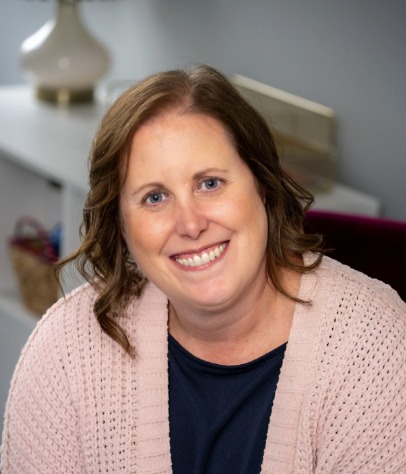
“The mental health burden of living with VEDS is profound,” says Karen MountainJohnson, a licensed clinical mental health counselor who lives with the condition. “I would argue that having mental health support is as vital as having a cardiologist.”
Living with Vascular Ehlers-Danlos syndrome (VEDS) brings unique challenges, but having the right support can make a meaningful difference in how people navigate them. Karen and Mariah Wessel-Draper, also a mental health counselor who lives with VEDS, have learned firsthand how important that support can be. Their professional and personal experiences have shaped how they understand resilience, self-advocacy, connection, and the many ways mental health support can help people with VEDS thrive.
Learning to Live with VEDS
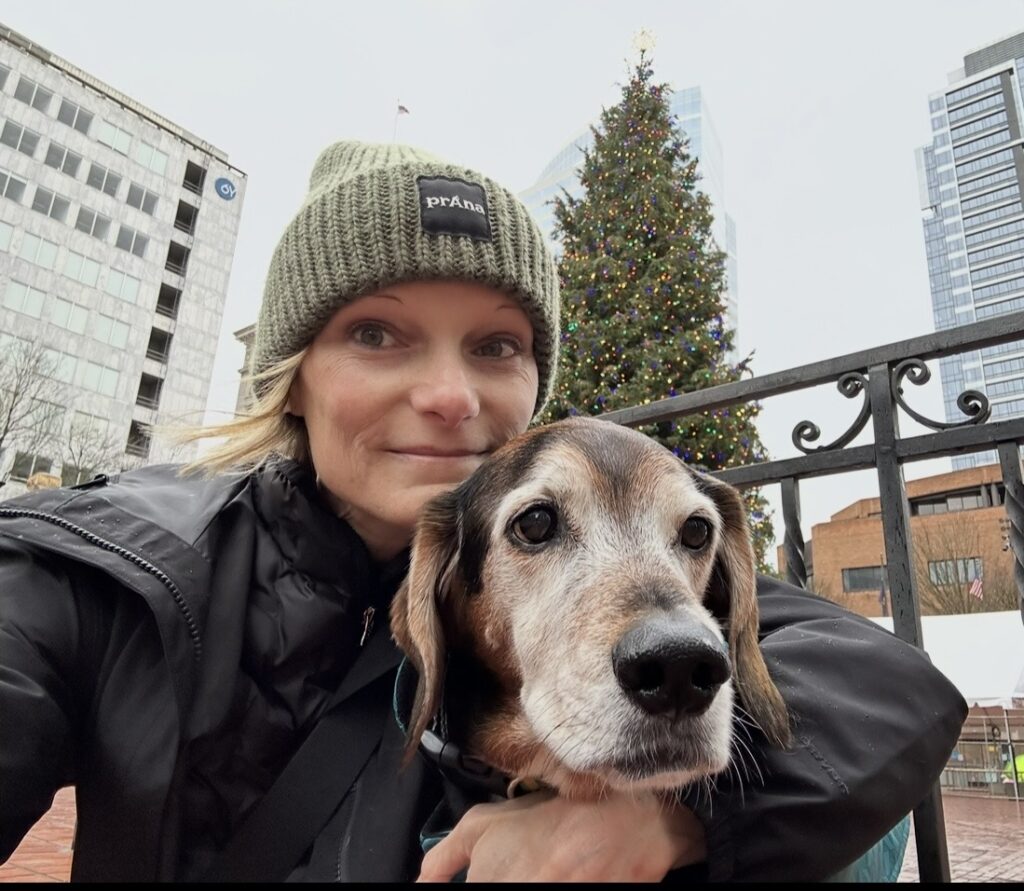
Mariah Wessel-Draper was 34 years old when her appendix ruptured.
“That time period was actually the healthiest I’ve ever felt in my life. I had been a vegetarian since I was 16 and I was running with my dog frequently,” she says.
But while in the hospital, a routine scan turned up an aortic aneurysm. “My mother was a nurse and she flat out asked the doctor if this could be a congenital condition. He said: ‘no, absolutely not.’ He thought it was a fluke and sent us home, saying that the aneurysm should be monitored annually.”
She adds: “We were a bit confused since I was so healthy, but we accepted his opinion.”
But two years later Mariah was undergoing a laparoscopic hysterectomy when “my tissues kind of fell apart.”
Mariah’s surgeon immediately suspected VEDS. “I had never heard of VEDS; it was a pretty confusing time,” she says, adding that during the surgery doctors noticed that her uterus was fused to her bowel, and that had likely been causing a lot of her lower back pain.
Another surgeon in the hospital said it could be life threatening if she didn’t have immediate surgery to correct the bowel obstruction. But Mariah’s original surgeon felt more surgery would be too risky. “It was really scary, but I trusted my doctor,” she says. “So we took it really, really slowly and we used different medications and mineral oil and just kind of waited and eventually that resolved without surgery.”
At this point, Mariah underwent genetic testing, and eight weeks later, the result came back positive for VEDS. That was 12 years ago.
“It was like somebody had turned the lights on,” she says thinking back over a lifetime of signs and symptoms.
“I had often entered a doctor’s office by saying: ‘I have a kind of weird body.’ And then I’d describe something strange, like when I had to have both of my Achilles tendons lengthened. I bruised very easily, my gums bled a lot. I always had a lot of aches and pains, including migraines.”
Mariah realized she was faced with a decision. “Do I sort of curl up in a ball and never go outside and not really live my life? In the end, I just kind of went with it. I would still run with my friends and my heart rate would get higher than it should have. But I’m still living my life.”
Mariah was training as a mental health counselor when she got her diagnosis. She is currently a licensed mental health counselor (LMHC) who works in a long-term semi-residential treatment program in Portland, Oregon. And while she doesn’t work with people with connective tissue conditions, she believes that living with VEDS has taught her to be a better therapist. “I’ve learned that there are so many ways to connect with someone that has experienced any kind of suffering.”
One of the biggest lessons she has had to learn is how to let go of control. “I’m a type A personality. I like to plan for everything, but with VEDS, that’s just not possible. So much is out of my control.”
Mental health support is just as important as getting physical care, according to Mariah. “I can’t imagine trying to navigate all this within my own head. I think it’s so important to have a third-party professional who can help you carry the emotional weight of something as challenging as living with VEDS. Support groups have also been so beneficial for me.”
Mariah personally feels it is not crucial that a therapist specializes in connective tissue conditions or even chronic disease. “The important thing is to find someone that will be curious and listen and ask questions,” she says. “And big bonus points if they do research to have a better understanding of you.”
Getting mental health support can also help those living with VEDS to approach their care differently. “In the past, I blindly put my faith into the people who provide my medical care. But now I know I really have to educate myself and advocate for myself all the time.”
“I feel like a different person today in that world than I did 12 years ago,” she says. “I’m constantly evolving with this.”
A Vital Part of VEDS Care
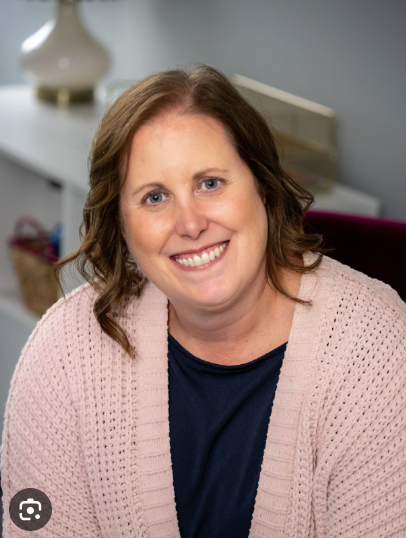
For Karen MountainJohnson, the psychological impact of living with VEDS is impossible to separate from the physical realities of the condition.
Karen, who has been a therapist for 20 years, was first diagnosed with VEDS at the Mayo Clinic in 2017. The diagnosis came shortly after she fell and severely dislocated her elbow while pregnant with her second child. As doctors worked to repair and reconstruct the joint, someone suggested that she be evaluated for a connective tissue condition.
“I had a growing sense of dread and terror as I learned more about the condition,” she says.
The diagnosis changed the way Karen thought about her own health and, eventually, her career. She ultimately chose to leave her work in a corrections facility because of the emotional and physical considerations associated with the condition. But she has continued to work as a therapist and is passionate about working to ensure that the mental health needs of people living with VEDS receive the attention they deserve.
“Living with this condition affects us every single day,” she says.
For someone who is newly diagnosed, Karen’s advice is to slow down. “Do a lot of reflection. Take time to process this. You have to accept that this is true. And then ask: ‘Now what?’”
Connecting with others living with VEDS is “by far the most meaningful and helpful part of my journey,” she says. “Having those human-to-human connections, whether it’s phone calls, texts, or that beautiful moment of seeing somebody in person.”
She also sees value in professional mental health support and continues to see a therapist herself. “Having that space to be real and frank without worrying about how it’s going to affect somebody else, like family or a spouse, has been tremendously helpful,” she says.
People living with VEDS, she explains, may feel responsible for helping their loved ones cope with the condition, making it difficult to be completely open about their own fears and emotions.
But Karen believes the importance of mental health support extends well beyond the individual. She would like to see the medical community recognize the psychological consequences of VEDS as an essential part of the condition.
“I think throughout the medical community, there’s a very strong urge to say physical health is medicine and mental health is support. And I vehemently disagree with that, not only because of my profession, but also as a person who lives with the condition.”
Karen believes that while anxiety, trauma and depression may be normal reactions to living with VEDS, that doesn’t mean they should go unrecognized or untreated. Not a day goes by, she says, that VEDS isn’t somewhere in her thoughts, influencing the choices she makes.
And as a mother of two sons, now 11 and 9, who also have VEDS, she carries another layer of responsibility: helping them understand and cope with their condition.
“We talk a lot about VEDS bodies,” she says. “What happens to VEDS bodies? How do we make choices based on what VEDS bodies do or don’t do?”
Karen and her husband have worked to give their sons information in age-appropriate ways, helping them understand why certain activities may not be safe while also empowering them to make informed choices.
“By really giving that information to them in a way that makes sense it has really helped them to understand the reasoning even if they’re sad and disappointed about it.”
For Karen, learning to live with VEDS is an ongoing process—for herself and for her family. But connection, reflection and professional support have helped her move from the fear surrounding her diagnosis toward a more intentional question: How do I want to live my life?
She hopes mental health support will help others with VEDS to answer that question for themselves.